Monday, February 1, 2010

Rendan February 2010

___________


رن د آ ن

فوریه 2010
_____________
ساقی قهرمان * یاشار احد صارمی * شیدا محمدی * علیرضا سیف الدینی * رباب محب * حسین شرنگ * کبری سعیدی * عبدالعلی عظیمی * انسیه اکبری * فرامرز سلیمانی * آذر کیانی * منصور خاکسار * منصوره اشرافی * محمد شهبازی پویا * مینو نصرت * نصرت الله مسعودی * فیروزه میزانی * مجید نفیسی * معصومه ضیائی * ناصر کاخساز * فریده نصوحی * حسین طوافی * شاهرخ ستوده فومنی * هومن نزهت * کروب رضایی * کیان خیاو * محمود معتقدی * جهانگیر صداقت فر * علی حاجیان زاده * ه ه ه ه ه ه ه ه ه ه ه ه ه ه ه ه ه ه ه ه ه ه ه ه ه ه ه ه ه ه ه ه ه ه ه ه ه ه ه ه ه ه ه ه ه ه ه ه ه ه ه ه ه ه ه ه ه ه ه ه ه ه ه ه ه ه ه ه ه ه ه ه ه ه ه ه ه ه ه ه ه ه ه ه ه ه ه ه ه ه ه ه


Sylvia Plath, Yashar Ahad Saremi
Herta Müller, Robab Moheb
Gabriela Mistral, Faramarz Soleimani


Marilyn Monroe & “ Carl Sandburg


The Bands Visit,A Film directed by “ Eran Kolirin

Dictator-lit: “
The poetry of Ayatollah Khomeini (via Guardian)


A BBC doc on Omar Khayyam,broken into YouTube clips:

(1) (2) (3) (4) (5)


Featuring , “Burroughs The Movie (1985)
Concrete, Steel and , “Philip Glass
Mark Doty, “Homo Will Not Inherit
2 poems by “ Richard Brautigan
Sunflower Sutra by “ Allen Ginsberg


دکتر جواد نوربخش - یارِ دمساز
این ادیبان مشهورِ: مست و خمار
فروغ فرخ زاد: بر او ببخشایید

Behind the Seen

_____________


Parthian Wine Cup
_______________

پشت صحنه ی ر ن د ا ن

___________


Dreams — Langston Hughes (Feb. 1, 1902 - 1967)

Hold fast to dreams
For if dreams die
Life is a broken-winged bird
That cannot fly.

Hold fast to dreams
For when dreams go
Life is a barren field
Frozen with snow.

(Photo of Langston on a Harlem street, 1958 - by Rob W. Kelley, LIFE)


________


JJ by Man Ray, early 20s

Today we celebrate both the birthday of James Joyce (Feb. 2, 1882 - 1941) and the anniversary of the Sylvia Beach publication on Feb. 2, 1922 of his masterpiece Ulysses

__


I fear those big words, Stephen said, which make us so unhappy.

Ulysses, Ch. 2: Nestor

__

Come forth Lazarus! And he came fifth and lost the job.

Ulysses - Ch. 6: Hades


Bosh! Stephen said rudely. A man of genius makes no mistakes. His errors are volitional and are the portals of discovery.

Ulysses - Ch. 9: Scylla and Charybdis

_

I was a Flower of the mountain yes when I put the rose in my hair like the Andalusian girls used or shall I wear a red yes and how he kissed me under the Moorish wall and I thought well as well him as another and then I asked him with my eyes to ask again yes and then he asked me would I yes to say yes my mountain flower and first I put my arms around him yes and drew him down to me so he could feel my breasts all perfume yes and his heart was going like mad and yes I said yes I will Yes.

Ch. 18: Penelope. Last lines.

_

Coffined thoughts around me, in mummycases, embalmed in spice of words.

— James Joyce, Ulysses - Ch. 9: Scylla and Charybdis

_________


Today’s great American writer is Gertrude Stein (Feb. 3, 1874 - 1946), who also generously helped many other Modernist writers break into print during her many years in self-imposed exile in Paris…

“America is my country, but Paris is my hometown”.

Photo of a happy Gertrude in 1944, outdoors in France - Carl Mydans, LIFE


__________


Justify Full

Another poet: Austrian Symbolist Georg Trakl, Feb. 3, 1887 - 1914…

“The poems of Georg Trakl have a magnificent silence in them. It is very rare that he himself talks—for the most part he allows the images to speak for him. Most of the images, anyway, are images of silent things.” - Robert Bly

My Heart at Evening

Toward evening you hear the cry of the bats.
Two black horses bound in the pasture,
The red maple rustles,
The walker along the road sees ahead the small tavern.
Nuts and young wine taste delicious,
Delicious: to stagger drunk into the darkening woods.
Village bells, painful to hear, echo through the black
fir branches,
Dew forms on the face.

— Transl. by James Wright & Robert Bly

Photo of Trakl in uniform, 1912


_______


Jacques Prévert (French pronunciation: [ʒak pʀeˈvɛʀ]; 4 February 1900 - 11 April 1977) was a French poet and screenwriter.

Jacques Prévert, French poet and screen writer: Feb. 4, 1900 - 1977. Many of his poems were set to music and became popular chansons…

Remember Barbara

It was raining nonstop in Brest that day
and you walked smiling
artless delighted dripping wet
in the rain

Remember Barbara
It was raining nonstop in Brest
and I saw you on rue de Siam
You were smiling
and I smiled too

Remember Barbara
You whom I did not know
You who did not know me
Remember
Remember that day all the same
Don’t forget

A man was sheltering under a porch
and he called your name
Barbara
and you ran toward him in the rain
Dripping water delighted artless
and you threw yourself in his arms

Remember that Barbara
and don’t be angry if I talk to you
I talk to all those I love
even if I’ve seen them only once
I talk to all those who love
even if I don’t know them

Remember Barbara
Don’t forget
that wise happy rain
on your happy face
in that happy town
That rain on the sea
on the arsenal
on the boat from Ouessant

Oh Barbara
What an idiot war
What has happened to you now
In this rain of iron
of fire of steel of blood
and the one who held you tight in his arms
lovingly
is he dead vanished or maybe still alive

Oh Barbara
It is raining nonstop in Brest
as it rained before
But it’s not the same and everything is ruined
It’s a rain of mourning terrible and desolate
It’s not even a storm any more
of iron of steel of blood
Just simply clouds
that die like dogs
Dogs that disappear
along the water in Brest
and are going to rot far away
far far away from Brest
where there is nothing left.


__________________


From Finland, Johan Ludvig Runeberg (Feb. 5, 1804 - 1877), the Swedish-language national poet, whose most famous work is Fänrik Ståls sägner (The Tales of Ensign Stål, Vänrikki Stoolin tarinat in Finnish), written between 1848 and 1860. It is considered the greatest Finnish epic poem outside the native Kalevala tradition and contains tales of the Finnish War of 1808-09 with Russia…

Then there is the matter of the tart named after him…


___________


Time for a decadent Friday:

Beat mentor, experimental writer, junkie, queer - William S. Burroughs, here seen celebrating his 70th birthday in style, was born Feb. 5, 1914 (d. 1997)…

“The Subliminal Kid moved in and took over bars cafes and juke boxes of the world’s cities and installed radio transmitters and microphones in each bar so that the music and the talk in any bar could be heard in all his bars and he had tape recorders in each bar that played and recorded at arbitrary intervals and his agents moved back and forth with portable tape recorders and brought back street sound and talk and music and poured it into his recorder array so he set waves and eddies and tornadoes of sound down all your streets”
– William Burroughs, “Nova Express” (1964)


Corso & Ginsberg interview WSB in 1961 for Journal for the Protection of All Beings, a periodical edited by Lawrence Ferlinghetti and published by City Lights Bookstore. This is supposedly the first published interview with WSB…

Gregory Corso: What is your department?

William Burroughs: Kunst und Wissenschaft.

Gregory Corso: What do you say about political conflicts?

William Burroughs: Political conflicts are merely surface manifestations. If conflicts arise you may be sure that certain powers intend to keep this conflict under operation since they hope to profit from the situation. To concern yourself with surface political conflicts is to make the mistake of the bull in the ring, you are charging the cloth. That is what politics is for, to teach you the cloth. Just as the bullfighter teaches the bull, teaches him to follow, obey the cloth.

Gregory Corso: Who manipulates the cloth?

William Burroughs: Death

Allen Ginsberg: What is death?

William Burroughs: A gimmick. It’s the time-birth-death gimmick. Can’t go on much longer, too many people are wising up. (Source)


____________


Elizabeth Bishop (Feb. 8, 1911 - 1979), Poet Laureate of the USA, 1949 - 1950:

Five Flights Up

Still dark.
The unknown bird sits on his usual branch.
The little dog next door barks in his sleep
inquiringly, just once.
Perhaps in his sleep, too, the bird inquires
once or twice, quavering.
Questions—-if that is what they are—-
answered directly, simply,
by day itself.

Enormous morning, ponderous, meticulous;
gray light streaking each bare branch,
each single twig, along one side,
making another tree, of glassy veins…
The bird still sits there. Now he seems to yawn.

The little black dog runs in his yard.
His owner’s voice arises, stern,
“You ought to be ashamed!”
What has he done?
He bounces cheerfully up and down;
he rushes in circles in the fallen leaves.

Obviously, he has no sense of shame.
He and the bird know everything is answered,
all taken care of,
no need to ask again.
—-Yesterday brought to today so lightly!
(A yesterday I find almost impossible to lift.)


.Image © Joseph Breitenbach
___________


In celebration of Irish playwright, poet and drinker Brendan Behan’s birthday he and I both toast you in the midnight hour…

Cheers, Brendan (Feb. 9, 1923 - 1964)

“I am a drinker with writing problems.” - B.B.

“One drink is too many for me and a thousand not enough.” - B.B.


Photo by Gjon Mili, 1953


_______


Birthday of Russian poet and novelist Boris Pasternak (Feb. 10, 1890 - 1960) who was the 1958 Nobel Literature Laureate (for Doctor Zhivago). His response to being told of the award: “Immensely thankful, touched, proud, astonished, abashed”

__________


Birthday of German playwright and drama theorist Bertolt Brecht (Feb. 10, 1898 - 1956)…

Brecht spent much of his post-WW II sojourn in the US, testifying before committees:

Bertolt Brecht smoking a cigar during House Un-American Activities hearing, Washington, DC, US - November 1947

Photographer: Martha Holmes, LIFE


__________


EROS - Else Lasker-Schüler (Feb. 11, 1869 - 1945)

Oh, I loved him endlessly!
Laid before his knees
And complained to Eros
Of my longing.
Oh, I loved him crazedly.
Like a summer night
My head sank
Blood black onto his lap
And my arms burned onto him.
Never was my blood so stirred to firebrand,
I surrendered my life to his hands,
And he raised me out of heavy twilight pain.
And all suns sang songs of fire
And my limbs
Were like
Bent lilies.
____________


Toni Morrison, (b. Feb. 18,1931), perhaps the best prose writer among the post-modern wave of African-American authors, Nobel Laureate, and not least incisive critic and essayist…

Morrison’s 1993 Nobel was given to her as an author “who in novels characterized by visionary force and poetic import, gives life to an essential aspect of American reality.”

Photo of Morrison by Guillermo Arias


____
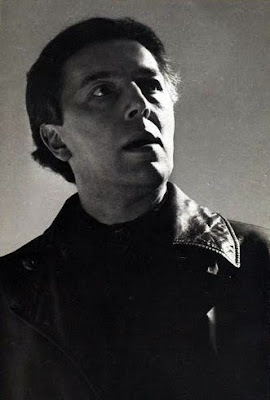

Birthday of M. Surréalisme himself: André Breton (Feb. 18, 1896 - 1966)…


André Breton, gloriously solarized: “Surrealism will usher you into death, which is a secret society. It will glove your hand, burying therein the profound M with which the word Memory begins.”


_________


Yoko Ono, Japanese-born avant-garde artist and musician, was born Feb. 18, 1933.

Photo of Yoko as Eve - Eric Antoniou


__________


Audre Lorde - strong poet, black, poor and gay - and proud of it all: (Feb. 18, 1934 - 1992)

__________


Feb. 21 featured the birtday of W.H. Auden (1907 - 1973), great English poet…

Lay your sleeping head, my love
Human on my faithless arm;
Time and fevers burn away
Individual beauty from
Thoughtful children, and the grave
Proves the child ephemeral;
But in my arms till break of day
Let the living creature lie:
Mortal, guilty, but to me
The entirely beautiful.

(Photo of Auden by Eisenstaedt, 1956 - LIFE)


____


rotic short story writer and diarist, Anaïs Nin: Feb. 21, 1903 - 1977

“Ordinary life does not interest me. I seek only the high moments. I am in accord with the surrealists, searching for the marvelous.” —- Winter, 1931-1932

Polaroid by Elsa Dorfman, 70s - as rightly pointed out by billyjane, here


________


Dada, the Swiss way: Hugo Ball - out of costume! - Feb 22, 1886 - 1927

“How does one achieve eternal bliss? By saying dada. How does one become famous? By saying dada. With a noble gesture and delicate propriety. Till one goes crazy. Till one loses consciousness. How can one get rid of everything that smacks of journalism, worms, everything nice and right, blinkered, moralistic, europeanised, enervated? By saying dada. Dada is the world soul, dada is the pawnshop. Dada is the world’s best lily-milk soap.”


As co-founder of the Cabaret Voltaire in Zürich, Hugo Ball led the Dada movement in Zürich, and is one of the people credited with naming the movement “Dada”, by allegedly choosing the word at random from a dictionary.

On this Hugo said in the 1916 Dada Manifesto:

“Dada is a new tendency in art. One can tell this from the fact that until now nobody knew anything about it, and tomorrow everyone in Zurich will be talking about it. Dada comes from the dictionary. It is terribly simple. In French it means “hobby horse”. In German it means “good-bye”, “Get off my back”, “Be seeing you sometime”. In Romanian: “Yes, indeed, you are right, that’s it. But of course, yes, definitely, right”. And so forth.

An International word. Just a word, and the word a movement. Very easy to understand. Quite terribly simple. To make of it an artistic tendency must mean that one is anticipating complications. Dada psychology, dada Germany cum indigestion and fog paroxysm, dada literature, dada bourgeoisie, and yourselves, honoured poets, who are always writing with words but never writing the word itself, who are always writing around the actual point. Dada world war without end, dada revolution without beginning, dada, you friends and also-poets, esteemed sirs, manufacturers, and evangelists. Dada Tzara, dada Huelsenbeck, dada m’dada, dada m’dada dada mhm, dada dera dada, dada Hue, dada Tza.

How does one achieve eternal bliss? By saying dada. How does one become famous? By saying dada. With a noble gesture and delicate propriety. Till one goes crazy. Till one loses consciousness. How can one get rid of everything that smacks of journalism, worms, everything nice and right, blinkered, moralistic, europeanised, enervated? By saying dada. Dada is the world soul, dada is the pawnshop. Dada is the world’s best lily-milk soap.”


_____

MUSPO

______________


Qamar-al-Molouk
_______________


Handan Aydın, - Iğdırın Al Alması

Rumi - Nusrat Fateh Ali Khan - Muqam-e-Hoo
Nusrat Fateh Ali Khan Qawwali - Rumi s Poem

Walking On The Red Sea Dreams Of The Sufi Saints - Mercan Dede

Dream of Shams - Mevlana Jelaluddin-i Rumi - Mercan Dede


Sarband & Dervishes from the Golden Horn - Sema

_________
____________

Azita Ghahreman

______________


Chris Anthony
________________

آزیتا قهرمان

صحنه


بعد یکی آمد و صحنه را آورد
روی چرخ های بزرگ چوبی
اسبی کور با زین و یراق و شرابه ها
که از شکم‌اش پایین می شدند
نخل های اریب و خیس، کوچه های تنگ
و عصرهای کمی خاکستری.
ه

کشتی ها آمدند با پرچم های بلند و یک وجب دریا
ارواح رفته‌گان، قدیسان ارواح
ما که آمدیم غوغا بود
سال ها هم را ندیده بودیم
هم را ندیده بودند سال‌ها
یکی مان دیروز بود و آن دیگری فردا
صورت هامان را به شیشه چسباندیم
پیشانی‌مان را به آن فشردیم
عکس هامان روی هم افتاد
خندیدیم، شبیه هم بودیم
لحظه آبی شد
بعد باد آمد و درون ساعت شد
و یک هو زنی آمد
در لباس خوابی سفید، پابرهنه، کمی گیج
و سمت بهشت را پرسید

شلوغ است
از انحنای این جمله‌ها
ما برمی گردیم
پیچیدیم از پشت پرچم ها و عصرها
از دور دیدیم صحنه را بردند
خلوت شد.
ه

بعد دریا بود و لباس خوابی زیر نور ماه بر یک صندلی
ما برگشتیم
شعله‌ی چراغ را کمتر کنیم
پیازها دارند می سوزند.ه


۱۳۸۰

____


“Symphony No. 4 ‘Heroes’ - 3. Sense of Doubt” by Philip Glass [1996] performed by Dennis Russell Davies and the American Composers Orchestra [1996]

Minimalism met popular rock and roll in two 1990s “symphonies” by Philip Glass. Built on themes from two of David Bowie and Brian Eno’s classic late ’70s collaborations, both Low Symphony and Heroes Symphony also stand on their own merit. Glass’ reinvention of “Sense of Doubt” was particularly cinematic. Bowie’s original composition contains numerous archetypal melodies of the sort found in many suspense and horror films. Those archetypes come to the fore in a symphonic setting. It’s easy to imagine various scenes, each washed in the muted colors and hazy timescape of a nightmare: the first sign of impending doom, an autumn chase through blowing leaves, the heroine’s hope for escape.


____________

Yadegari

___________


منصور خاکسار - مجید نفیسی - علیرضا طبیب زاده

___


Ltr: Ali Reza TabibZadeh, Majid Naficy, Mansour Khaksar

__________

Zibahu Karbassi

_____________


زیبا کرباسی
___________
ه«خوشی خوشی تو ولی من هزارچندانم...»ه
مولوی


حالم خوب است


آسمان صورت پف کرده اش را در ابری فوت می کند
ناګهان ابرها از قصه خالی می شوند
دلم در خوب می ریزد
خواب از خالی با پوزخند تلخی در فرو می رود
اتاق از هر چه جفت خوابش نمی برد
شب قلفتی شلوارش را پایین کشیده
قلندر بیدار است و
من و باران تا صبح روشنیم
مست و سلامت
حالم خوب است
و این کفش های طاقِ طاقِ آینه می توانند خیال کنند
بُزک مرده است و
من طاق باز خوابم را به کمپزه ای در بهار نسیه داده ام
زیر بال شاه را از پرنده های تُک به تُک تکانده ام
ساعت دو دقیقه از تیغ ګذشته است
و تیغِ آینه ای بیخ چانه اش تندی می کند غ غ غ غ غ غ غ غ غ
زیر آینه اش عود و دود و الودود
پته اش را روی آب چنان عسل می ریزد
که دیګر با هیچ ګُهی پاک نشود
قرارش را مثل نافی بریده ام
قرار نبود با چشمهای خودش نګاه کند کرد
قرار نبود نرم یا کمی خم حتی مایل یا ولرم شود شد
زندګی بازی دارد
بازی زیبا
آب دارد
باز دارد
آبی دا
آبی دا
آبی
قرار نبود
حالم خوب است
و همه ی قرار نبودها و ما بودیم و قرار نبود

بیا مرا بکش عزیزم
من کشتن ګرفته ام
سِرایت دارم
باید زنان جهان را نجات دهی
بیا مرا بکشیم
و سِرایتم را به سُرایتی ببخشیم
حالم خوب است
ساعت چند دقیقه از تیغ ګذشته
من یک پیرهن از خودم و
ګلبرګهای سرخ چند برګ مانده اند به دوبیتی
زل بزن در پستان های سر به هوای برهنه ام
سرت را نزدیک بیار بزن این لا
سنګ فقط شکستن بلد است
بشکن.ه

___


ataxiwardance:

Bete aber auch dabei - Kathleen Battle and Itzhak Perlman
Johann Sebastian Bach, Kantate BWV 115, No. 4
Orchestra of St. Luke’s, John Nelson, cond.
“Arias for Soprano and Violin,” Deutsche Grammophon (1992)
P.S. such a great way to start the day…
Perlman is the boss.


__

Ten Nights of poetry readings -in Tehran's Goethe Institute (October 1977)

____________


ده شب شعر در انستيتو گوته مهرماه ۵۶ه
__________


شب اول

رحمت الله مقدم مراغه ای، بيان نامه هيأت دبيران موقت کانون را می خواند.
ه
سيمين دانشور در مورد مسائل هنر معاصر سخنانی ايراد می کند.ه

شعرخوانی:ه

سياوش مطهری
منصور اوجی
تقی هنرور شجاعی
مهدی اخوان ثالث

شب دوم:
ه

منوچهرهزارخانی راجع به ضرورت آزادی قلم و فشار و اختناق موجود در فضای فرهنگی آن روزگار سخن می گويد.ه ه ه ه ه ه ه ه ه ه ه ه ه ه ه ه ه ه ه ه ه ه ه ه ه ه ه ه ه ه ه ه ه ه هه ه ه ه ه ه ه ه ه ه ه ه هه ه ه ه ه ه ه ه
شعرخوانی:ه
کاظم سادات اشکوری
عمران صلاحی
محمدعلی بهمنی
نعمت ميرزازاده (م.آزرم)
ه

شب سوم:
ه

شمس آل احمد در مورد تاريخچه «کانون نويسندگان ايران» سخن می گويد و به موارد سانسور صريحا اشاره و آنها را بر می شمرد.
ه ه ه ه ه ه ه ه ه ه ه ه ه ه ه ه ه ه ه ه ه ه ه ه ه ه ه ه ه ه ه ه ه ه ه ه ه ه ه ه ه ه ه ه ه ه ه ه ه ه ه هه ه ه ه ه ه ه ه ه ه ه ه هه ه ه ه هه ه ه ه ه ه ه ه ه هه ه ه ه ه ه ه ه ه ه ه ه هه ه ه ه هه ه ه ه ه ه ه ه ه ه
بهرام بيضايی پيرامون موقعيت تئاتر و سينما سخن می گويد. شايد اين سخنرانی را بتوان در زمره اولين اشاراتی دانست که سانسور را تنها منحصر به دولت نمی داند و عنوان می کند که می توان افکار عمومی را همواره در سطحی قرارداد که خود اين وضعيت مانع رشد فرهنگی شود و خود افکار عمومی نيز در زمان هايی نقش سدی را در برابر تحول ايده ها و انديشه های مترقی بازی کنند.ه ه ه ه ه ه ه ه ه ه ه ه ه ه ه ه ه ه ه ه ه ه ه ه ه ه ه ه ه ه ه ه ه ه ه ه ه ه ه ه ه ه ه ه ه ه ه ه ه ه ه ه ه ه ه ه ه ه ه ه ه
شعرخوانی:ه

محمد زهری
سيروس مشفقی
احمد کسیلا
فاروق اميری
طاهره صفارزاده

چهارمين شب:
ه

زنده ياد غلامحسين ساعدی «پيرامون شبه هنرمند» سخن می گويد، ساعدی، شبه هنرمند را کسانی می نامد که با حاکميت و سيستم موجود همکاری می کنند.ه ه ه ه ه ه ه ه ه ه ه ه ه ه ه ه ه ه ه ه ه ه ه ه ه ه ه ه ه ه ه ه ه ه ه ه ه ه ه ه ه ه ه ه ه ه ه ه ه ه ه ه ه ه
شعرخوانی:ه

مفتون امينی
حسين منزوی
عظيم خليلی
عليرضا نوری زاده
هوشنگ ابتهاج (سايه)
ه

شب پنجم:
ه

باقر مؤمنی پيرامون سانسور و عوارض راجع به آن سخن می گويد.ه
شعرخوانی:ه

اسماعيل شاهرودی (آینده)ه
سعيد سلطان پور
اورنگ خضرايی
علی موسوی گرمارودی

شب ششم:
ه
صحبت های هانس بیکر و بیانیه ی هیئت دبیران موقت کانون نویسندگان ایران
شعرخوانی:
ه
سياوش کسرايی
حسن نديمی
محمد خليلی

هوشنگ گلشيری در آن زمان برای اولين بار موضوع «جوانمرگی در نثر معاصر فارسی» را مطرح می کند، گلشيری می گويد. «بسياری از نويسندگان ايرانی، هيچگاه فرصت نکردند که در شرايط مطلوبی قلم بزنند، اين شرايط نامطلوب اجتماعی همواره آنان را در حداقل ظرفيت خلاقه خود قرار داده است.»چنين مقوله ای در آن برهه زمانی به دليل بديع بودن نگاه به اين مقوله بسيار مورد توجه مخاطبان قرار می گيرد.
ه ه ه ه ه ه ه ه ه ه ه ه ه ه ه ه ه ه ه ه ه ه ه ه ه هه ه ه ه ه ه ه ه ه ه ه ه هه ه ه ه هه ه ه ه ه ه ه ه ه ه
فريدون مشيری

شب هفتم:
ه

اسلام کاظميه که از بنيان گذاران کانون نويسندگان ايران و عضو اعضای مؤسس کانون بوده است، پيرامون تاريخچه کانون نويسندگان و ارتباط آن با قانون اساسی سخن می گويد.
ه ه ه ه ه ه ه ه ه ه ه ه ه ه ه ه ه ه ه ه ه ه ه ه ه هه ه ه ه ه ه ه ه ه ه ه ه هه ه ه ه هه ه ه ه ه ه ه ه ه ه
داريوش آشوری در سخنرانی خود با عنوان«شعر آزاديست» قلمرو آزادی درونی انسان را در شعر مطرح می کنده ه ه ه ه ه ه ه ه ه ه ه ه ه ه ه ه ه ه ه ه ه ه ه ه هه ه ه ه ه ه ه ه ه ه ه ه هه ه ه ه هه ه ه ه ه ه ه ه ه ه
شعرخوانی:ه
جعفر کوش آبادی
علی باباچاهی
جواد مجابی
محمد مشرف تهرانی (م.آزاد)
ه

شب هشتم:
ه

زنده ياد مصطفی رحيمی پيرامون «فرهنگ و ديوان» سخن می گويد و بحث «ديوان سالاری» را پيش می کشد.ه
ه ه ه ه ه ه ه ه ه ه ه ه ه ه ه ه ه ه ه ه ه ه ه ه ه هه ه ه ه ه ه ه ه ه ه ه ه هه ه ه ه هه ه ه ه ه ه ه ه ه ه


___________

Ali Hajianzadeh

______________


Tom Zetterstrom- Dusk, 1979 (from Moving Point of View)
_____________________

علی حاجیان زاده


بی شک این جاده ها هستند
که ما را دور سر خودشان می گردانند و
رهامان می کنند
مثلا این سایه ی بخت برگشته
سالهاست منتظر عبور رهگذری زیر این درخت چرت می زند
یا خرس کوچکی که به آسمان تبعید شده
ه ه ه ه ه ه ه ه ه ه ه ه ه ه ه ه ه که شب های ما را تزئین کند .ه
و من که مدت هاست سایه ام فراموش کرده
به جاده هایی فکر می کنم
که همچون باد سایه ها را به این سو و آن سو پرتاب کرده اند
به خیابانی
که پشت در افتاده
ه ه ه ه ه ه ه ه و مرا به هیچ کجا نمی رساند .ه


_____________

Hossein Sharang

___________


__________

Marilyn Monroe & Carl Sandburg

______________


Marilyn pix are poetry and 'pose'

An octogenarian lensman yesterday unveiled never-before-seen photos of Marilyn Monroe lounging around a New York apartment with poet Carl Sandburg nine months before her death.

"It was serendipitous with these icons in their moment, and me there with my camera," retired fashion photographer Len Steckler said of the 1961 day the two showed up at his apartment.

Monroe, then 35, is seen wearing thick-rimmed sunglasses and a short-sleeve dress while talking to an 83-year-old Sandburg.

"As we know, Marilyn loved older men; she loved intellectuals -- and Carl was very parental with her," Steckler said. "It was a lovely thing to see."

MARILYN MONROE Never-before-seen photo.
Photos: New Marilyn Monroe photos

After the shoot, he said, they all drank whiskey.

Steckler is now selling four single images and two triptychs (pictures in three parts) for $1,999 to $3,999.


_______________

Burroughs The Movie

__________


William S. Burroughs (1914-1997)

Burroughs The Movie (1985)

Featuring - Allen Ginsberg, Brion Gysin, Francis Bacon, Jackie Curtis, John Giorno, Lauren Hutton, Patti Smith, Terry Southern, William S. Burroughs
Directed By - Howard Brookner
Photography - Kate Simon, Kevin Gordon
Producer - Alan Yentob, Howard Brookner

Label: Giorno Poetry Systems
Catalog#: GPS 034
Format: VHS, NTSC
Country: US
Released: 1985


___________

Concrete, Steel and Philip Glass

___________


A composer discusses the process of writing music for architecture and the possibility of collaboration with architects on a more meaningful level in the future.

AR: What is it like to compose a piece for a work of architecture?

Philip Glass: I’ve actually done this a couple of times. I did it once for a new museum in Bonn, Germany where I wrote a piece to fit into that building. You know, it’s interesting. There’s always been this talk about the connection between music and architecture, and today for example, I gave a talk at the University of Florida to a group of music students and architecture students. This coupling of architecture and music comes up in schools often. I know Frank Gehry. I know Philip Johnson. I’ve been in touch with the world of architecture a lot in my life, and yet I don’t know anything about architecture; I don’t really know anything about it.

There’s a feeling—the idea is something to do with the idea of the structure of architecture and the structure of music. In architecture the structure is overt. The structure and function: isn’t that the whole idea of modern architecture, that structure and function are very connected? That, of course, is the secret of music: that structure and function—what we call content and structure, which I guess is very similar—the emotional content and the structure of music are very close. So there’s always been that kind of funny bond between architecture and music to begin with.

So having said that, I’ve had a few occasions to write for places. There was another place in Germany, where there was a factory, and they built a museum next to the factory and they asked me to write a piece. I’m always happy to do it. I don’t see the building. I don’t have to look at the building, though it’s often described to me and people will tell me about it. Because I’m not actually writing for a specific building. It’s the idea of the building, not the actual building that’s an issue. It’s the idea that this architectural space and the music are complementing each other in some way.

And then, you have to remember that in my early days, before I played in concert halls, I also played in lofts and galleries and some very unconventional spaces, what we now call "alternative" performance spaces. Now it’s gotten a word, but in the old days, it was just playing wherever you could. And so the acoustics of the places were always very critical for us. I got used to playing in many museums and galleries in Europe and America. I got to be very cautious of buildings with a lot of glass and hard surfaces, because they never worked. They don’t ask acousticians to help them build buildings, because that’s generally not the issue. Anyway, I’ve had a lot of that kind of intercourse with playing in open spaces and non-conventional spaces.

When I’m asked to do such a work, I’m not surprised, because it has come up over the years. I have a feeling. I don’t try to write for the space; it’s rather impossible. Rather, I write out of a sense of kinship with the builders, that we work in similar languages in a certain way. Or that we work with similar strategies in rather different languages; I think that would be a better way to put it.

AR: How has it compared with your other artistic collaborations?

Philip Glass: Those can be quite a bit closer. When I’m working with a filmmaker, I’m looking at his visual material. The music articulates the structure of the film. We can’t say that the music articulates the structure of the building. That’s quite a bit too far. When I’m working with a dancer, clearly the movement of the dance and the space of the dance are interrelated with the music. So those are close associations. The associations with architecture, while very rich, are not so close.

AR: In the case of the Milwaukee Art Museum, how did the commission come about?

Philip Glass: I think somebody called us on the phone, and I agreed to do it. It wasn’t that complicated.

AR: Did you see any of the drawings or the plans?

Philip Glass: In this case I didn’t. They just simply didn’t send it. That often happens. The piece I did for the German museum, I never saw it until I got there. I would like to. I would like to have. I played at the inauguration of a new museum in Columbus, Ohio that was the Wexner Center that was designed by Peter Eisenman. No one sent me the plans for the place. I knew I was playing at the opening of the museum, along with some other people. It’s flattering. It’s nice to be in the company of the other people.

On the other hand, at the same place, I have done architectural-type pieces. I work with a sculptor, Richard Serra, where I have done things like that. We’ve done rooms together, where the music and the room fit together, but that was a very specific project. I’ve done that several times with Serra. In order to do that, the designer or the architect or the artist has to actually be willing to get into the complex business and the complex encounter of collaboration. And usually, you have to remember, by the time the inauguration of a building happens, the building is done, it’s up. So the only times I’ve been able to do those kinds of collaborations have been on either outdoor events or large rooms designed within a building.

>> read more

>> listen

__________

Forugh Farrokhzad

________________


محمود معتقد ی
_________________


ه* فروغ ا زمنظر " هنوز" و " همیشه " !ه


بر آستانه چهل وچهارمین سالگشت خا موشی فروغ ه ه ه هه ههه

د ریا ا ینگونه می گوید :ه
فروغ شاعر تشنگی ها ست که با حسی مدا م از پنجره ا ی به پنجره ا ی د یگر گرد ه عوض می کند تا نا موزونی ها ی پیرامونش راد ر آ سما ن ها یی " د وبا ره" ببیند . وی د رصید لحظه ها د رپی زیستنی منتشر و حا د ثه ا ی د یگر بود. می د وید .تا فضا ها ی خا لیرا به تجربه ها یی د یگر پیوسته د ریا بد !ه ه ه ه ه ه ه ه ه ه ه ه ه ه ه ه ه ه ه ه ه ه ه ه ه ه ه ه ه ه ه ه ه ه ه ه ه ه ه ه ه ه ه ه ه ه ه ه ه ه ه ه ه ه ه ه ه ه ه ه
چشم انداز نگا ه شا عرا نه ا ش همو ا ره ا ز تا ریخی تلخ و پیوستنی شکنند ه ما یه می گرفت ا ز آ غا ز " عشق " تا د ا منه ها ی " مرگ" همه جا می آ مد تا فرصتی برای تفکر وتنها یی دا شته با شد .چرا که وی هموا ره با عزیمتی معصوما نه ا ز پی " همزا د ی" گمشد ه د رافق مرزها ی " نبود ن " و " بود ن " به روا یت هستی شنا سا نه ا ی ا زا نسا ن زخمی معا صرسفر می کر د. او نگرا ن ویرا نه ها ی به جا ما ند ه ایستا د ه بود !ه ه ه ه ه ه ه ه ه ه ه ه ه ه ه ه ه ه ه ه ه ه ه ه ه ه ه ه ه ه ه ه ه ه ه ه ه ه ه ه ه ه ه ه ه ه ه ه ه ه ه ه ه ه ه ه ه ه ه ه

ه" د رکوچه با د می آ ید / ا ین ابتدا ی ویرانی ست "ه

فروغ د رچشم اندا ز تبا ر شنا سی " تولد ی دیگر " تن به آ رما نی می سپا رد که د ر آ ن عملا را ه با زگشتی د ر میا نه نیست . به همین جهت جا د ه ها ی سفر و شکفتن یرا یش یک تصویر بی نها یت و بزرگ بشری ست . به عبا رت دیگر فضا ی پیچید ه را بطه ها ا ز " ا نسا ن " تا " طبیعت " و " تا ریخ " همواره آ غا زی ست برای آ فرینش و پرتا ب شد ن شاعر به سرچشمه نا یا فته ها . د رنگا ه فروغ نقطه ها ی " زن بود ن " و " عا شق بود ن" یک فرصت برای همزا د انسا نی ست. که تنها با ا د بیا تی ا ز جنس شاعرانگی محل پرسش و دا وری ست .ه ه ه ه ه ه ه ه ه ه ه ه ه ه ه ه ه ه ه ه ه ه ه ه ه ه ه ه ه ه ه ه ه ه ه ه ه ه ه ه ه ه ه ه ه ه ه ه ه ه ه ه ه ه ه ه ه ه ه ه

ا و د رپنا ه کلما ت سطر ها ی مجهول و گمشد ه را به ا ضطرا ب جها ن معا صر پیوند می زد .و غربت آ د می نسبت به عدالت و آزا دی رابه گونه هنرمند ا نه به تصویر می کشید سرنوشت پرند ه وبا د همچون نما د ی دایمی دغدغه ذهن و زبا نش بود .ه ه ه ه ه ه ه ه ه ه ه ه ه ه ه ه ه ه ه ه ه ه ه ه ه ه ه ه ه ه ه ه ه ه ه ه ه ه ه ه ه ه ه ه ه ه ه ه ه ه ه ه ه ه ه ه ه ه ه ه

نگا ه شا عر نه ا نسا ن و ا شیا ء حس کا شفا نه ا ی را د ر پی می دا شت و جریا ن عظیم " رستگا ری " د ر آ فرید ه ها ی وی یک پرسش بزرگ بنیا د ین به حسا ب می آمد لذ ا همه هستی ا ش را به تا ریک- روشن کوچه ویک فرصت " خوشبخت " می بخشید اما کمتر به جلو می رفت !ه ه ه ه ه ه ه ه ه ه ه ه ه ه ه ه ه ه ه ه ه ه ه ه ه ه ه ه ه ه ه ه ه ه ه ه ه ه ه ه ه ه ه ه ه ه ه ه ه ه ه ه ه ه ه ه ه ه ه ه


بی گما ن گزا ره ها ی ذهنی شا عر با زبا نی د رهم تنید ه می شد که حس شورشگری د رلایه ها یی ا زشکا یت و طنز بسیا ری ا ز " آ غا زها ی بشری " را به نما یش می گذ ا شت مقوله ها یی همچون : " عد ا لت " / " دا وری " / " هستی " / " عشق " / و " مرگ ". که هر کدا م ا یستگا ه ها و تنفس گا ه ها ی شعرش به حسا ب می آ مد ند .ه ه ه ه ه ه ه ه ه ه ه ه ه ه ه ه ه ه ه ه ه ه ه ه ه ه ه ه ه ه ه ه ه ه ه ه ه ه ه ه ه ه ه ه ه ه ه ه ه ه ه ه ه ه ه ه ه ه ه ه

" رما نتیسم " جا ری د ر شعر فروغ ا زجنس حقیقت ها ی عریا ن اجتما عی بوده که د ر پسزمینه ا ش تقا بل ا رزش ها ی " مد رنیته " ود یوا ربلند " سنت " قرا ر دا شت لذ ا د ر قلمرو روشنگری وفضا ها ی روشنفکری شاعر ا ین د و وا قعیت را هموا رهبه چا لش می کشید . فروغ به عبا رتی شاعر ترد ید ها و پرسش ها ست .هموا ره زلال و غافلگیرا نه و سا د ه می گوید ونجا بت ا نسا نی را به جا ذ به ها ی نرم و شکنند ه فرا می خوانده ه ه ه ه ه ه ه ه ه ه ه ه ه ه ه ه ه ه ه ه ه ه ه ه ه ه ه ه ه ه ه ه ه ه ه ه ه ه ه ه ه ه ه ه ه ه ه ه ه ه ه ه ه ه ه ه ه ه ه

ه" .... د ر اتا قی که به اندا زه یک تنها یی ا ست / د ل من / که به اند ا زه یک عشق ا ست
به بها نه ها ی سا د ه خوشبختی خود می نگرد / به زوا ل زیبای گل ها د ر گلد ا ن/
به نها لی که تود ربا غچه خا نه ما ن کا شته ا ی/ و به آ وا ز قنا ری ها / که به اند ا زه
یک پنجره می خوا نند ....." ( تولد ی دیگر )ه

منش فروغ د رقلمرو شعر امروز د را بعا د گوناگونی قا بل تا مل و دا ور ی ست . اما مقوله ها ی "شک " و یقین " بن ما یه وخلا صه آ ن ا ست . به همین خا طر کا رنا مه شعر و زیستن وی هموا ر ه بر آ ستا نه هستی آ سیب پذ یر و گمشد ه ا ی شکل می گرفت. آ شوب هراس ا ز یک سو جسا رت ها ی ناگزیر ا ز سوی د یگر تو گویی هیچگا ه رها یش نمی کرد ند و ا ز ا و دور نمی شد ند : " وزش ظلمت را می شنوی ؟ "ه ه ه ه ه ه ه ه ه ه ه ه ه ه ه ه ه ه ه ه ه ه ه ه ه ه ه ه ه ه ه ه ه ه ه ه ه ه ه ه ه ه ه ه ه ه ه ه ه ه ه ه ه ه ه ه ه ه ه ه

فروغ د رمرزها ی "جنون " و " نبوغ " نسبت به ا د را ک و بیا ن رنج ها ی انسا نی نگا هی عمیق دا رد . لذ ا د رهمین فا صله ها ست که روا یت " یگا نگی " و را ز " د وست دا شتن " را به شکل سیا لی با زگو می کند . خویشکا ری د ستما یه ذهن و زبا نش بود و صورت بند ی هنجا ر ها ی انسا نی را ا ز منظر تفرد به سمت داوری ها ی جامعه شنا ختی خا صی می کشا نید . و مضمون ها یش را به حسی تصویر گرا یا نه پیوند می زند " زنی بر آ ستا نه فصلی سرد " هما نا حکا یت همه آ نا نی ست ا ز " چرا غ ها ی رابطه " آ سما نی شکسته را پشت سر د ا رند !ه ه ه ه ه ه ه ه ه ه ه ه ه ه ه ه ه ه ه ه ه ه ه ه ه ه ه ه ه ه ه ه ه ه ه ه ه ه ه ه ه ه ه ه ه ه ه ه ه ه ه ه ه ه ه ه ه ه ه ه

براستی چنین شا عر و نگا هی را چگونه می توا ن د وست ند اشت ؟ کسی که حس و زبا نش د ریچه ا ی ست برای د ید ن و د وبا ره د ید ن ا نسا ن و جها ن . و زیبا تر اینکه فروغ را می توا ن ا زمنظر" هنوز" و " همیشه " همچنا ن د ر زما نه های مختلف د وست دا شت و ا ز نگاهش به زیستن بهره گرفت چرا که د ر فصل ها ی زمستا نی کسی ا ز عشق و کسی ا ز فضا ی رابطه ها به گونه ا ی دیگر هموا ر ه سخن می گوید و د ر میا ن " پنجره " و " دید ن" بسیا ری ا ز د رد ها وفا صله ها به نما یش می گذارد . ّ به راستی " وزش ظلمت " مگر از کدا م سو می وزد و چه سرنوشتی را باز وبا ز می سراید ؟ه ه ه ه ه ه ه ه ه ه ه ه ه ه ه ه ه ه ه ه ه ه ه ه ه ه ه ه ه ه ه ه ه ه ه ه ه ه ه ه ه ه ه ه ه ه ه ه ه ه ه ه ه ه ه ه ه ه ه ه ه ه ه ه ه ه ه ه ه ه ه ه ه ه ه ه ه ه ه ه ه ه ه ه ه ه ه ه ه ه ه ه ه ه ه ه ه ه ه ه ه ه ه ه ه ه ه ه ه ه ه ه ه ه ه ه ه ه ه ه


ه" ....به چمنزا ر بیا / به چمنزا ر بزرگ / و صدایم کن / ا ز پشت گل ابریشم /همچنا ن
آ هو جفتش را / پرد ه ها ا ز بغضی پنها نی سر شا رند / و کبوتر ها ی معصوم / ا ز
بلند یها ی برج سپید خود / به زمین می نگرند " ( فتح باغ)ه

و د یگرا ین که / فروغ د رعرصه ها ی رنگ و وا ژه صیا د صا حب سبکی بود زیرا هر آ نچه که می د ید وبه تصویر می کشید را بی وا سطه به لحظه ها یی گرگ ومیش به صحنه می آ ورد گا ه ا بری و گا ه شفا ف / وی اینگونه زیسته بود چیزی میا ن وا قعیت و رویاه ه ه ه ه ه ه ه ه ه ه ه ه ه ه ه ه ه ه ه ه ه ه ه ه ه ه ه ه ه ه ه ه ه ه ه ه ه ه ه ه ه ه ه ه ه ه ه ه ه ه ه ه ه ه ه ه ه ه ه


بهمن 88

________